When it comes to woodworking, getting the right planer can make all the difference. Whether you're a beginner or a seasoned pro, the right tool can help you achieve that smooth, clean finish on your projects. But how do you choose the best planer for your needs? Let’s break it down.
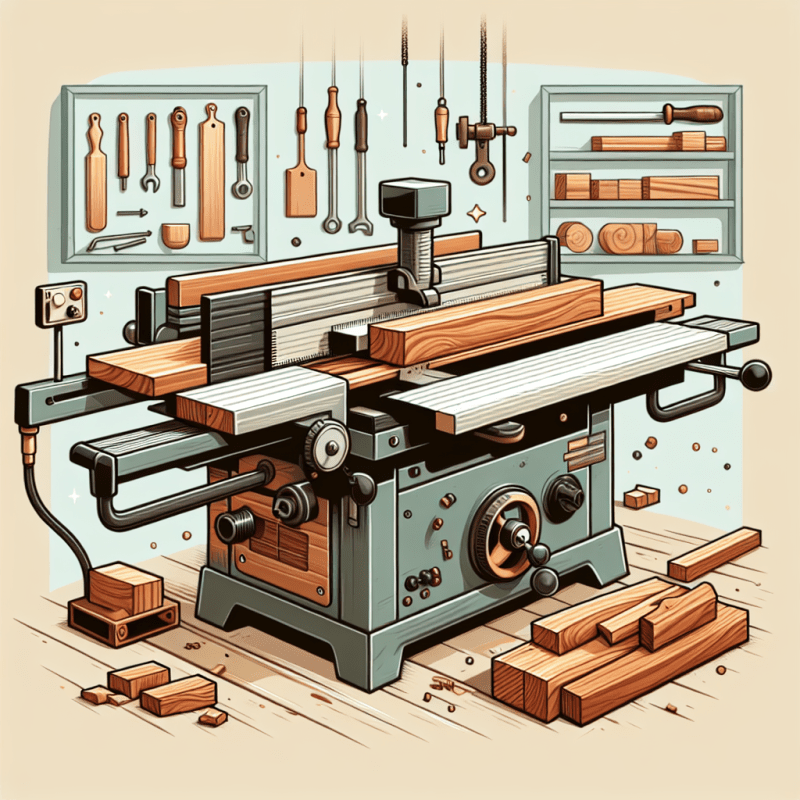
First, think about the type of projects you'll be working on. Are you mostly working on smaller pieces, or do you plan to tackle larger boards? For small and medium-sized projects, a handheld planer might be what you need. They’re lightweight and easy to maneuver. However, if you're handling larger lumber regularly, a stationary planer is a better choice. They can handle thicknessing and flattening without much hassle.
Another factor to consider is power. Planers come in different power levels, typically measured in amps for electric models. A higher amp rating often means the tool can handle tougher wood without bogging down. For hobbyists, something around the 12-15 amp range is usually sufficient. But if you're planning on more heavy-duty work, look for something with more power.
Don’t forget about features! Some planers come with additional features like built-in dust collection systems and adjustable depth settings. These can save you time and make your work area cleaner. A depth adjustment feature lets you select how much wood to remove, so you can achieve the perfect finish every time.
Lastly, consider your budget. Planers can range from affordable to high-end. There are excellent options available at various price points. Take a little time to read reviews and see what others are saying about the models you’re interested in. Finding a planer that fits your needs and budget will keep your woodworking projects on track and enjoyable!
Understanding Different Planer Types
When it comes to woodworking, having the right planer can make all the difference. But with so many types available, it can be tough to figure out which one suits your needs best. Let’s break down the different kinds of planers so you can make an informed choice.
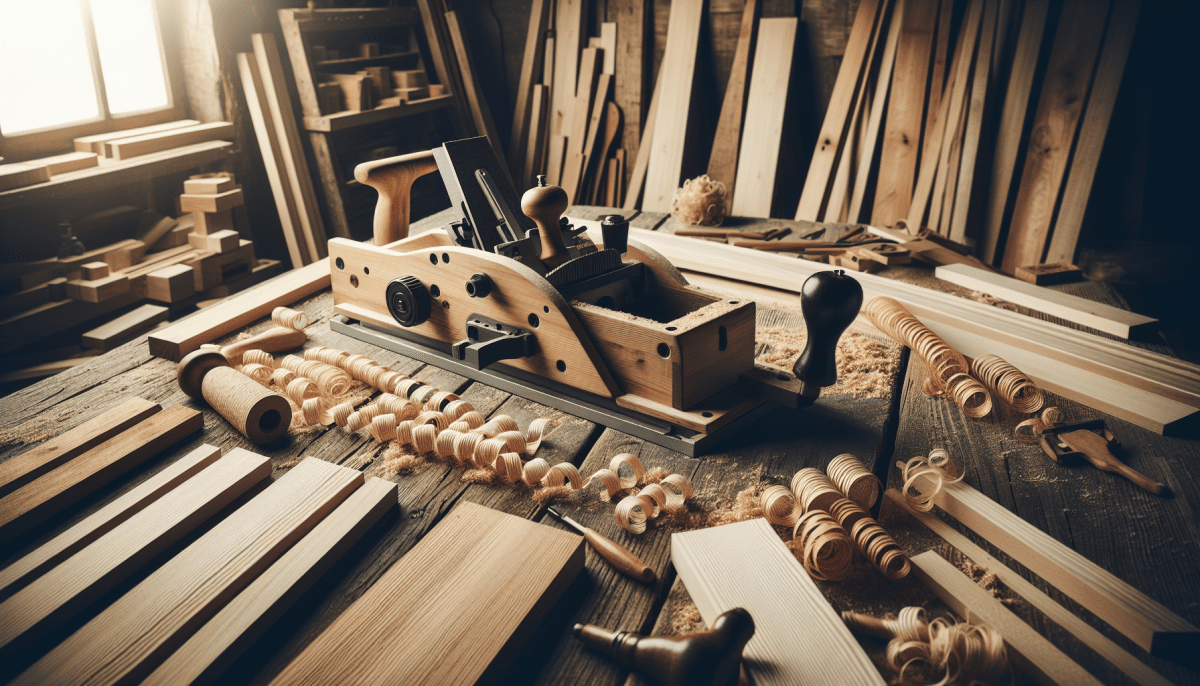
Hand Planes: These are the traditional, handheld tools that many woodworkers swear by. They come in various shapes and sizes and are great for smoothing surfaces and making fine adjustments. If you enjoy the hands-on approach and want to feel more connected to your work, a hand plane might be your best buddy.
Electric Planers: For those who prefer a bit more speed, electric planers are a fantastic option. They’re lightweight, easy to handle, and can quickly flatten or smooth wood surfaces. You’ll often find both corded and cordless options, so you can pick one that fits your workspace and comfort level.
Benchtop Planers: If you’re serious about your woodworking projects, a benchtop planer is worth considering. These machines sit on your workbench and provide a consistent finish on larger pieces of lumber. They’re perfect for anyone who wants to take on bigger projects without a fuss.
Portable Planers: Think of these as the more mobile cousins of benchtop planers. They’re compact and designed for easy transport, making them great for jobs on the go or for those with limited workspace. If flexibility is key for you, a portable planer might just be the ticket.
Tips for Using a Wood Planer
Using a wood planer can seem daunting at first, but with a few handy tips, you’ll be flying through projects in no time! First and foremost, always check the blades. Sharp blades make a world of difference in getting a clean, smooth finish. If your blades are dull, take a moment to replace or sharpen them before you start working.
Next up, plan your wood pieces carefully. Measure accurately and take your time with your cuts. If you’re working with rough lumber, aim to remove just a little at a time. It’s easy to take off too much material, which can lead to uneven surfaces.
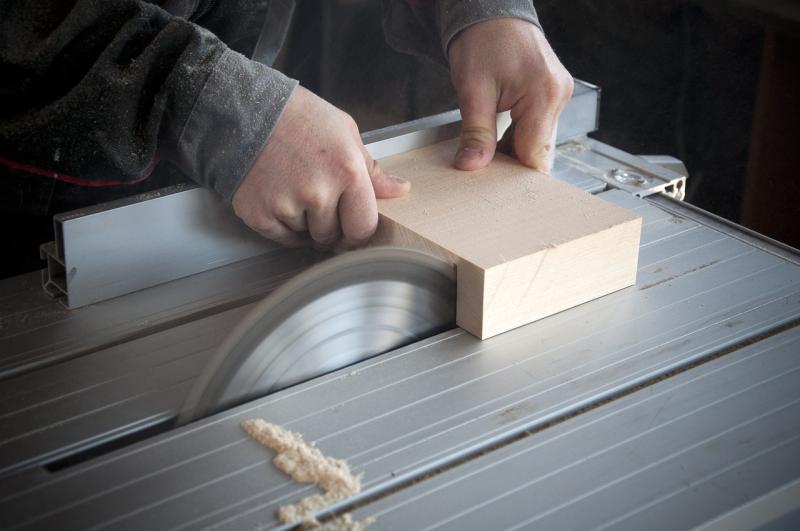
Don’t forget about safety! Always use eye protection and ear plugs, especially when you're running the planer. Also, keep your hands clear of the feed area. It’s best to feed your wood slowly through the machine to avoid any jams or mishaps.
Lastly, keep your work area clean! Shavings can pile up quickly and could lead to accidents or even damage your equipment. Clean as you go, and your workspace will not only look better, but you’ll be able to work more efficiently too.
Maintaining Your Planer for Longevity
Keeping your planer in top shape is key to getting the most out of it. A little maintenance goes a long way in extending its life and ensuring it performs its best for years to come. Here’s how to keep your planer happy and healthy.
First things first, always keep the blades sharp. Dull blades not only give you rough finishes but can also strain the motor and lead to more wear and tear. Check your blades regularly and have a sharpening plan in place. If you're not comfortable sharpening them yourself, look for local services that specialize in this.
Next, don’t forget about cleaning. Sawdust and debris can build up and affect performance. Make it a habit to clean your planer after each use. Use a brush to sweep out the insides and keep the exterior clean too. This will not only keep your tool looking great but will help it run smoothly.
Lastly, store your planer properly. If it’s not in use, find a dry place where it won’t be exposed to moisture. Consider a protective cover if it's kept in a garage or workshop. This avoids rust and will keep your planer in good shape for the next project.