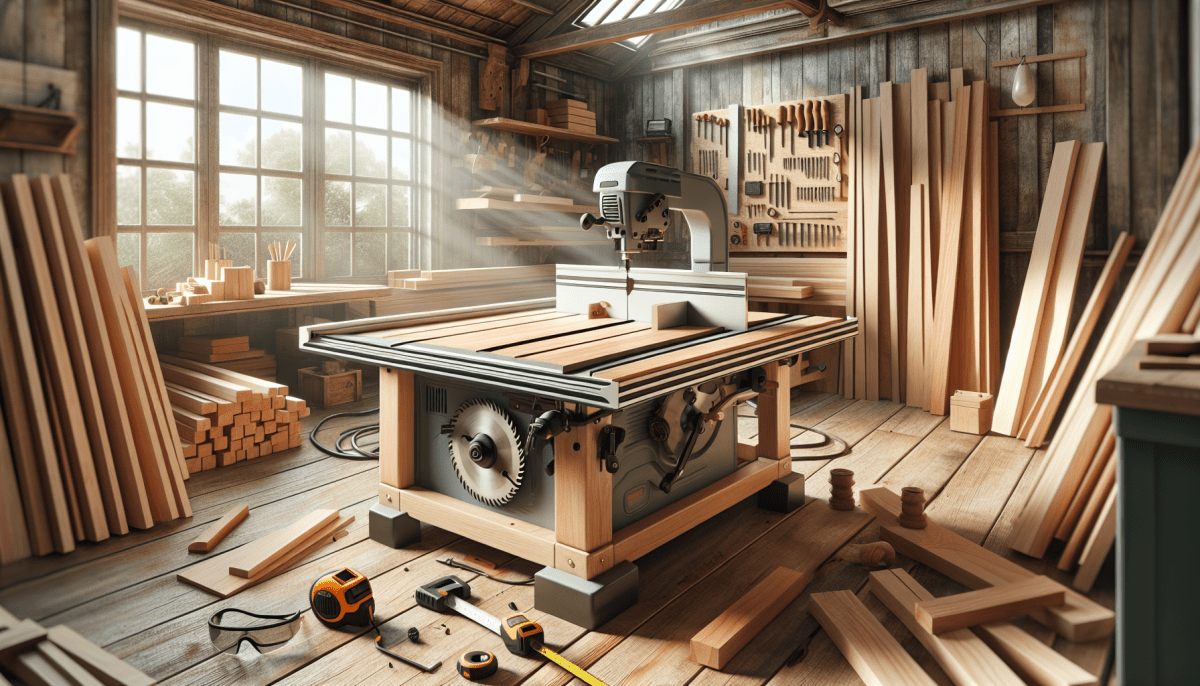
Next, consider the size and space you have available. If you're tight on room, a compact or portable table saw might be best. These are easy to store and move around, making them ideal for smaller workshops or garages. But if you have the space, a larger cabinet saw could offer more power and stability for bigger tasks.
Another important factor is the type of blade you’ll need. Different projects require different blades. If you’re planning to make fine cuts, look for a saw that can take a high-quality, fine-tooth blade. If rip cuts are more your style, a table saw designed for that purpose will keep your work smooth and accurate.
Finally, don’t forget about safety features. Look for options that have blade guards, anti-kickback devices, and easy-to-use shut-off switches. Your safety should always come first, and a saw with good features can make all the difference!
Key Features to Consider
When choosing a woodworking table saw, it’s important to know what features will make your woodworking projects easier and more enjoyable. Here are some key things to keep in mind:
Each feature plays a role in your overall woodworking experience. Make sure to weigh your options based on your specific needs and the types of projects you plan on tackling!
Safety Tips for Woodworking
When working with table saws, safety should always be your top priority. Here are some friendly tips to help you stay safe while enjoying your woodworking projects:
By following these tips, you can enjoy the woodworking process without unnecessary risks. Stay safe and happy woodworking!
Maintenance for Long Lasting Use
When you invest in a woodworking table saw, keeping it in great shape is essential for long-lasting use. Regular maintenance not only ensures that your saw runs smoothly but also keeps you safe while you work on your projects.
Start with a good cleaning routine. After each use, take a few minutes to wipe down the surface and remove any sawdust or debris. Dust can accumulate in hard-to-reach places, affecting performance. Use a soft brush or a vacuum attachment to make sure everything is neat and tidy.
Don't forget to check the blade regularly. A dull or damaged blade can lead to uneven cuts and can be dangerous. If you notice any nicks or dullness, it’s time to either sharpen or replace the blade. Keeping a few spare blades handy can make changing them out quick and easy.
Finally, lubricate any moving parts that might experience friction, like the height and angle adjustments. This will help everything operate smoothly and enhance the lifespan of your saw. A little bit of oil can go a long way in preventing rust and wear.